Every custom project reaches the same point. The drawings are done, the structure is understood, and construction needs to start before the owner has chosen a tile, a faucet, a light fitting or a floor. Allowances are how a builder prices a house that is not fully specified yet, and how well they are set determines whether the number you agree at the start still means anything at the end.
What an allowance actually is
An allowance is a placeholder for a decision you have not made yet. The builder carries an amount for a scope of work, the project gets priced and started, and when you make the selection the allowance is reconciled against what you actually chose.
That is the whole mechanism. The complication is entirely in the detail of what the allowance is understood to cover.
The distinction that causes the most trouble
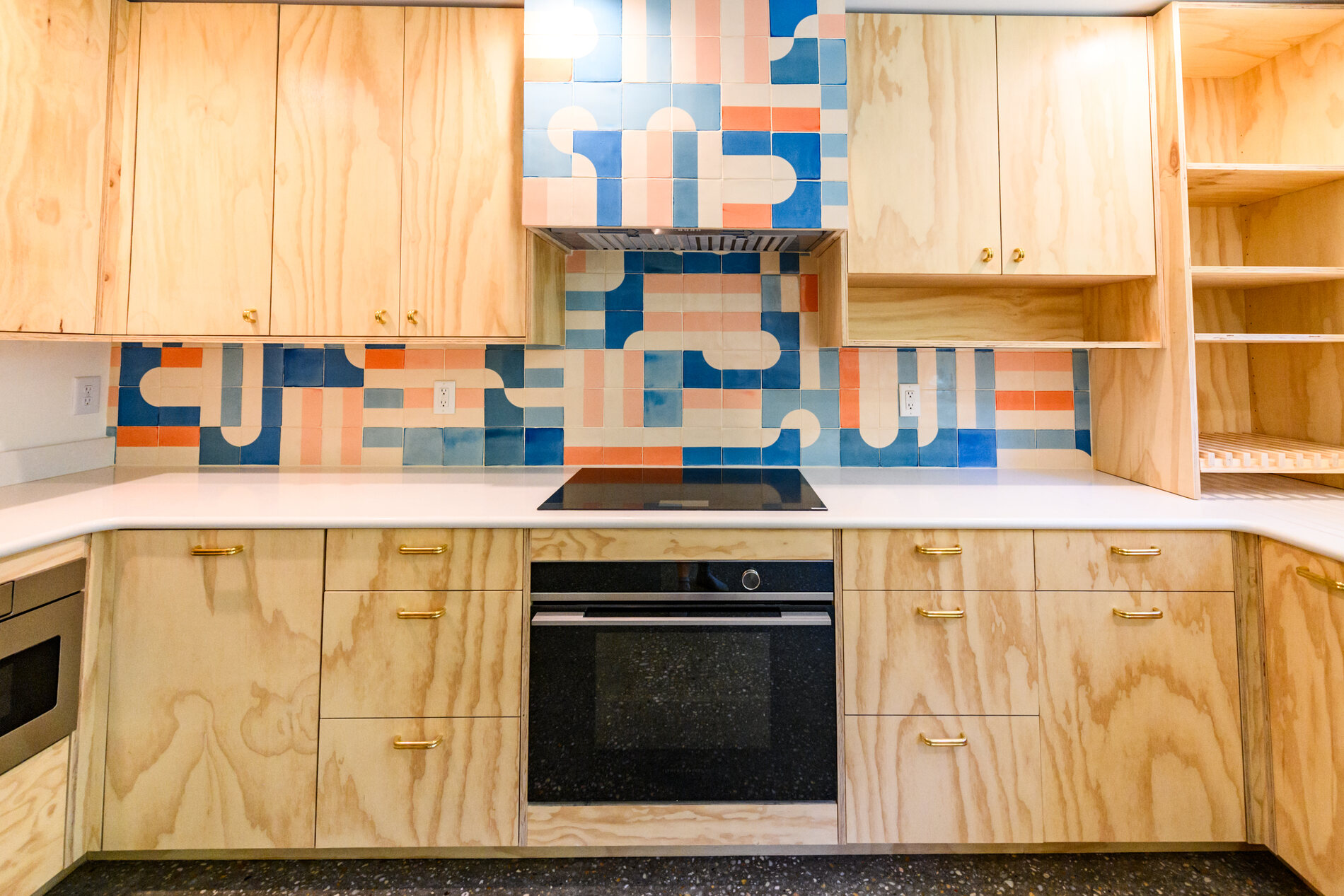
A tile allowance can mean the tile. It can mean the tile and the setting materials. It can mean the tile, the setting materials and the labour to install it. These are three different things, and an owner comparing two builders' numbers is often comparing an allowance of the first kind against one of the third without knowing it.
The lower number looks better and behaves worse. When the selection is made, the labour that was never in the allowance appears as an addition, and it appears at a point in the project where you have very little room to respond to it.
So the useful question about any allowance is not how much. It is what is inside it. Ask that about every line, and ask it before you sign anything.
Why a selection moves the number
Material price is the obvious part. The part owners do not always expect is that some selections change the work around them.
- A tile in a larger format, or laid in a pattern, takes longer to set and needs a flatter substrate.
- A heavier slab may need different support and different handling.
- A freestanding tub moves the plumbing rough in, which has to happen before the floor goes down.
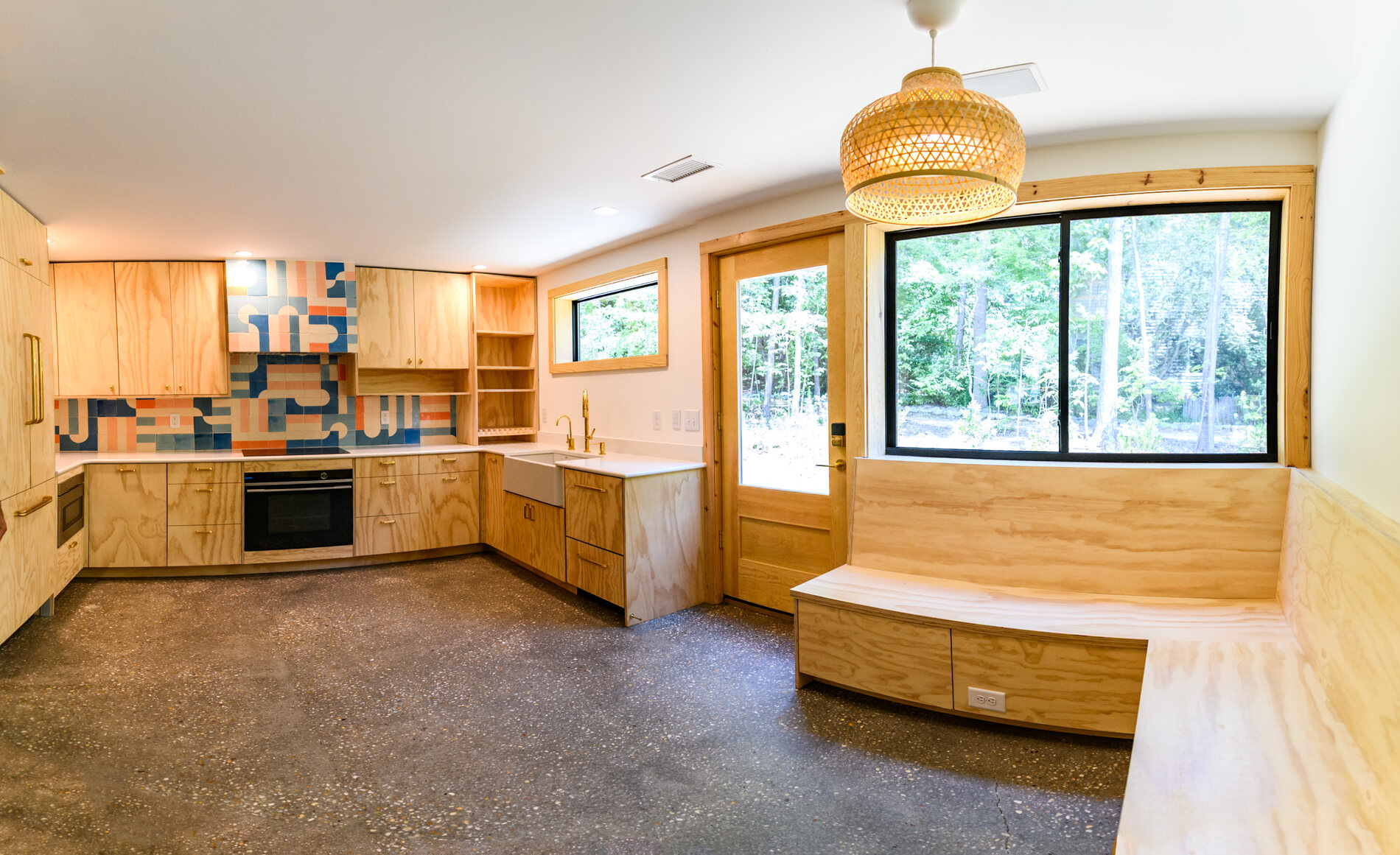
- A cabinet run with integrated appliance panels changes the cabinetry and the appliance order together.
- A light fitting on a longer lead time changes the sequence rather than the price.
None of this is unusual or unreasonable. It is simply why a selection made late costs more than the same selection made early, even when the item itself costs exactly the same.
Set by trade, not as one pot
We set allowance numbers by trade and by trim out material rather than lumping them into a single figure. It takes longer to assemble and it is more useful to live with, for two reasons.
The first is visibility. You can see which parts of the house are carrying which numbers, and you can make decisions in proportion. Owners routinely find they care enormously about one room and very little about another, and a single combined allowance hides the room to act on that.
The second is that reconciliation stays legible. When a selection comes in above or below its allowance, you can see exactly where, rather than watching one large number drift for reasons nobody can point at.
What a well set allowance looks like
A good allowance is specific enough that you could go and buy the thing it describes. It names the scope, it says whether labour is included, and it is based on something real rather than a round number chosen because it looks reasonable.
The test we would apply is this: could you walk into a supplier with the allowance in hand and select something that works within it. If the answer is no, the allowance was never a real number and the project has an addition built into it from day one.
Where allowances come from in our process
They come out of pre-construction, which is the stage where we sit down with your plans, with you and with your designer, and work through the level of finish, the materials, your tastes and your expectations. That conversation is what makes the allowances real. A builder who has not had it is guessing, and the guess is always resolved later at your expense.
What you get at the end of pre-construction is a fixed price for the build with allowances for the selections you have not made yet. Not a single number pretending every decision is already settled, and not an open ended arrangement where the total is discovered as you go. You can read the full sequence on Our Process.
How to make them work in your favour
Decide early where you actually care. Owners who know that the kitchen matters more to them than the guest bath, or that the floor matters more than the fixtures, can shape the allowances to match before the work starts rather than trying to redirect money once it is committed.
Make selections ahead of when they are needed. The pressure that turns a decision into an expensive decision is almost always time.
And ask what is in the number. Every time. It is a short question and it prevents most of the arguments that this part of a project is known for.
If you are comparing approaches for a project in the Triangle and want a straight explanation of how yours would be structured, tell us about it.
Written by the team at NG Custom Builders, a licensed general contractor in Raleigh, North Carolina.